Manufacturing stands at a critical juncture.
Labor costs keep climbing, the younger generation is reluctant to enter factories, and hiring for basic positions has become a constant struggle. Meanwhile, enterprises face ever-rising demands for efficiency, quality and safety. How to achieve more output with less input? This is the question every manufacturer is asking.
LEPU Robotics’ answer is direct: hand hazardous, repetitive work to machines, and let people do the higher-value judgment and coordination.
But behind this answer lies an essential difference between LEPU Robotics and other robot companies — a difference embedded in our genes.
I. Industry Context: The Labor Dilemma
Today’s manufacturing environment confronts enterprises with four unprecedented challenges: rising costs, hiring difficulties, elevated risks, and unfilled hazardous posts. This is no longer any single company’s plight — it is a structural transformation the entire industry must face.
01 Labor costs rising year after year
As compliance and specialization requirements in manufacturing keep rising, the total operating investment in basic positions shows a rigid upward trend.
02 Hard to hire, hard to retain, hard to manage
“Difficult to hire, difficult to retain” is no longer a seasonal phenomenon but a chronic operational challenge. The demographic dividend is fading, and the traditional employment model has reached its end.
03 Frequent safety incidents and high risks
Manually carrying heavy loads easily leads to injuries; fatigue breeds operational errors. Under increasingly strict work-safety regulations, an accident not only harms the employee’s family, but also exposes the company to the huge risk of production suspension and rectification.
04 Nobody wants hazardous, monotonous posts
Employees’ expectations of the factory environment keep rising, and “dirty, exhausting, dangerous” basic posts such as cleaning, handling and inspection face a severe labor gap. Human-robot collaboration has become a necessity, and intelligent transformation is urgent.
II. In-House Technology, Controllable Quality
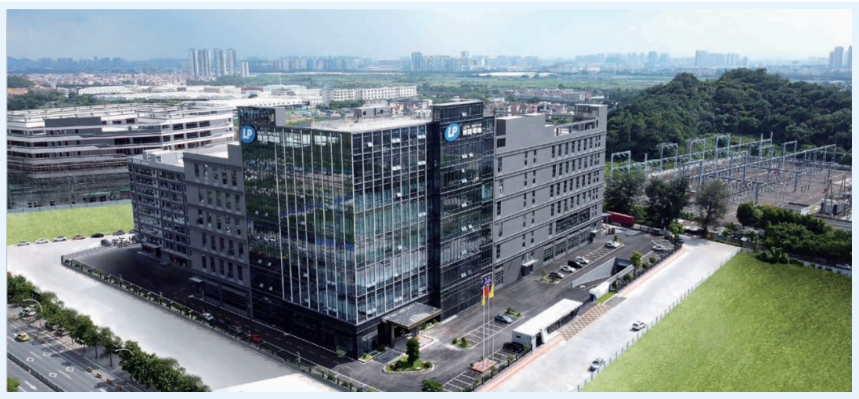
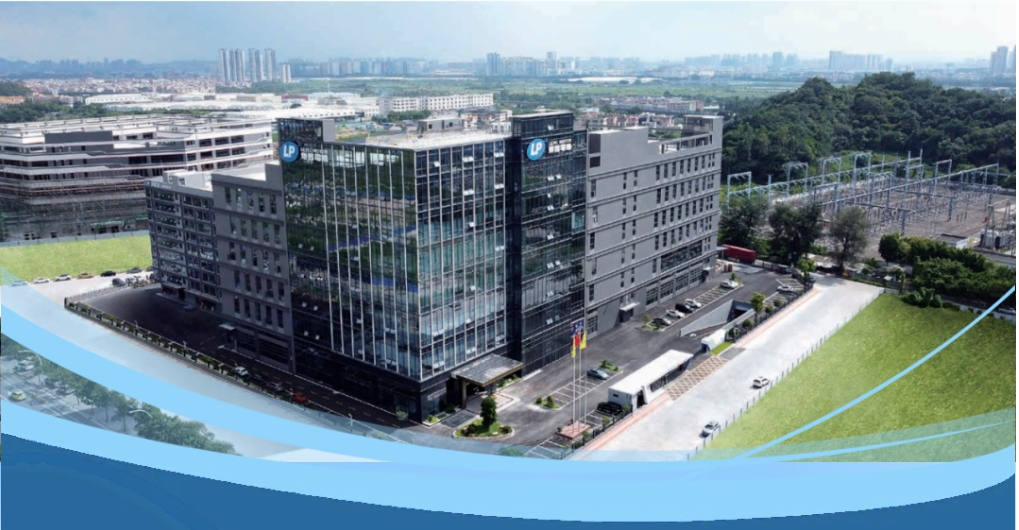
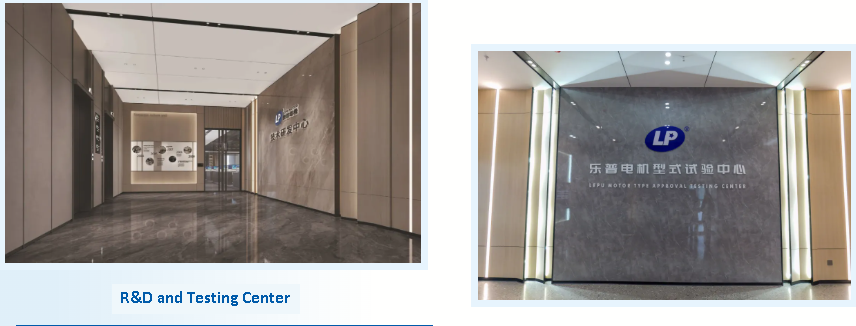
LEPU’s choice stems from deep manufacturing genes. Leveraging our parent company LEPU E-Drive’s 20+ years of accumulation in motor and drive technology, and the scale advantage of producing 50 million motors a year, we have achieved an in-house production rate of over 90% for core components, with 100+ patents (invention patents accounting for 39%). Motors and drives — the two most critical components of a robot’s motion module — are fully under our own control.
The confidence brought by this “shared hardware foundation” shows in three dimensions:
01 Better cost
With middlemen removed, production costs are reduced by 20%–30%.
02 Autonomy and control
Core components are self-developed and self-produced: a stable supply chain, with the initiative for technology iteration in our own hands.
03 Software-hardware synergy
Algorithm and hardware teams are deeply integrated, enabling faster response in product optimization.
More importantly, on the same technology foundation we can extend product lines quickly. Take the A300-series mobile robot chassis: by simply adding a waste-collection module, it rapidly evolves into a mobile intelligent waste-collection robot that proactively comes to collect from the bins — the people stay put, and the robot comes to them. Quickly customizing and deploying specialized machines for niche scenarios on the strength of full-chain in-house R&D — this is the core competitiveness that self-developed technology brings.
III. Industrial Focus, Value Alignment
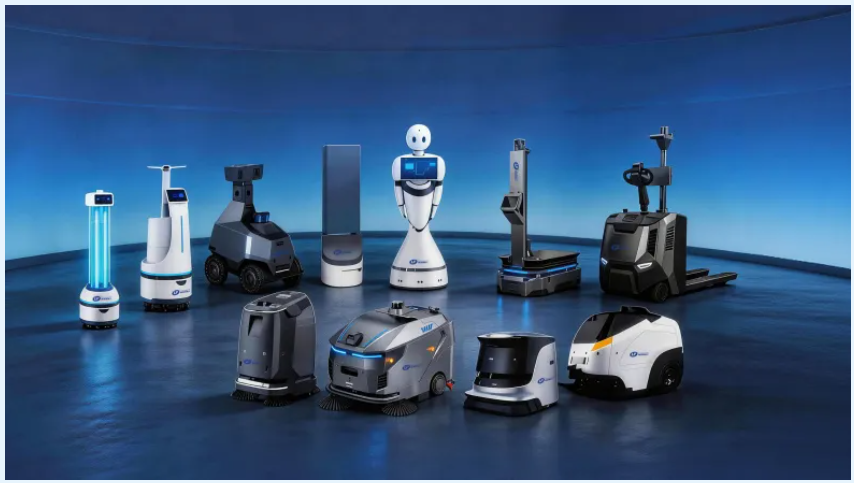
LEPU Robotics’ strategic choice is clear: we are dedicated to industrial scenarios.
Why industrial? Because industrial scenarios are naturally suited to large-scale robot deployment, and they best demonstrate the value of human-robot collaboration.
01 Clear management boundaries
Enclosed campuses ensure stable robot operation, free from external interference.
02 Clear value orientation
Focused on efficiency gains, concentrating resources on precise navigation and stable performance.
03 Flexible internal redeployment
Employees can move to new roles without external friction, achieving optimal allocation of enterprise resources.
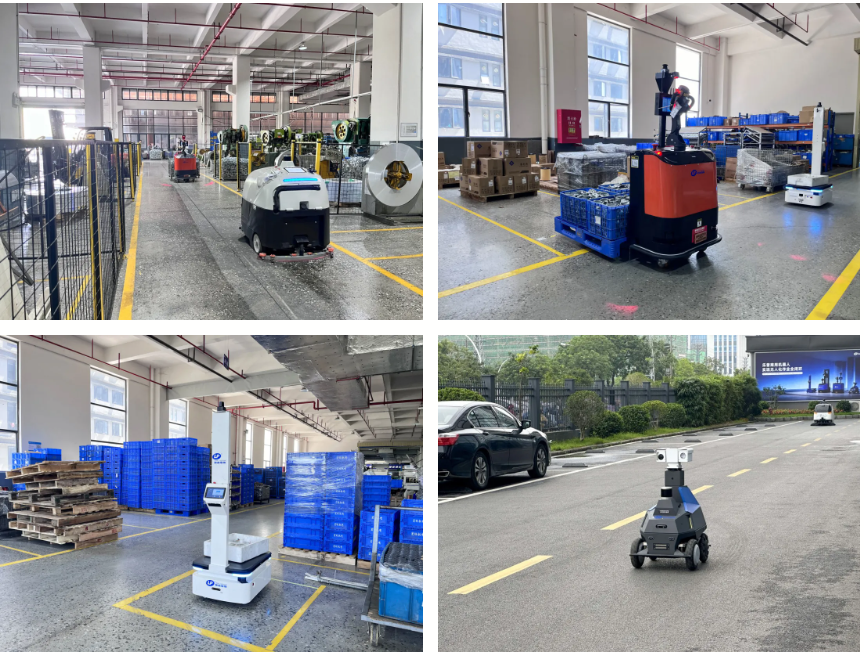
In LEPU E-Drive’s own factories, cleaning, handling and inspection robots have been fully deployed and validated — these are not PowerPoint case studies, but the fruits of first-hand practice. It is on this foundation that LEPU takes factories, campuses, logistics and other industrial fields as its core battleground, aligning technical capability with customer needs to create maximum value.
IV. Five Job Types, Systematic Optimization
Most robot companies on the market go deep in a single field — cleaning, or handling, or inspection — as single-product specialists.
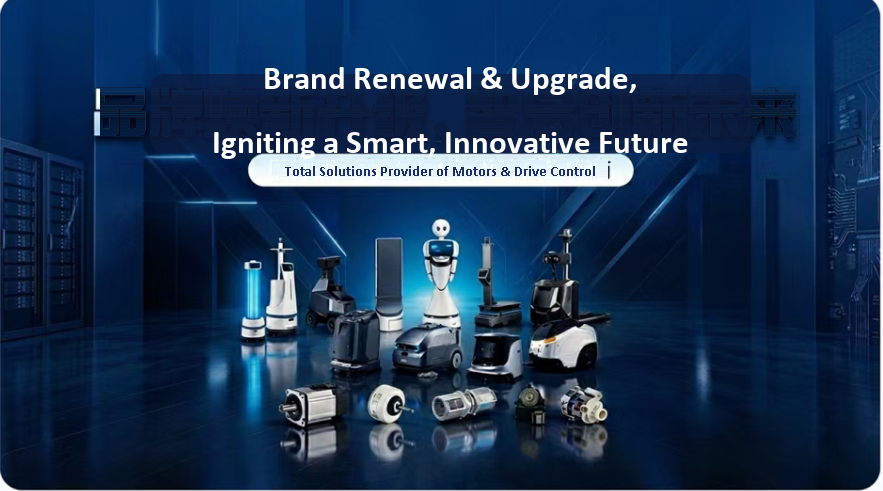
LEPU is different: we are a total solution provider covering all five job types.
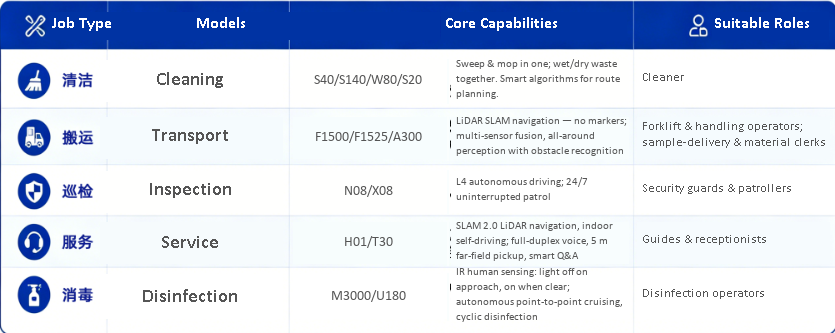
This means a mid-sized manufacturing plant deploying the five categories of robots — cleaning, handling, inspection, disinfection and service — can systematically reshape 10–20+ basic operational positions.
Personnel released from repetitive, tedious work can be redeployed by the enterprise to safer, higher-value roles such as quality inspection, logistics management and production support.
While a competitor’s single-category robot only addresses a single-point need, LEPU’s full-scenario robot matrix helps enterprises reshape their position structure, deepen human-robot collaboration, and achieve systematic cost reduction, quality improvement and efficient operation.
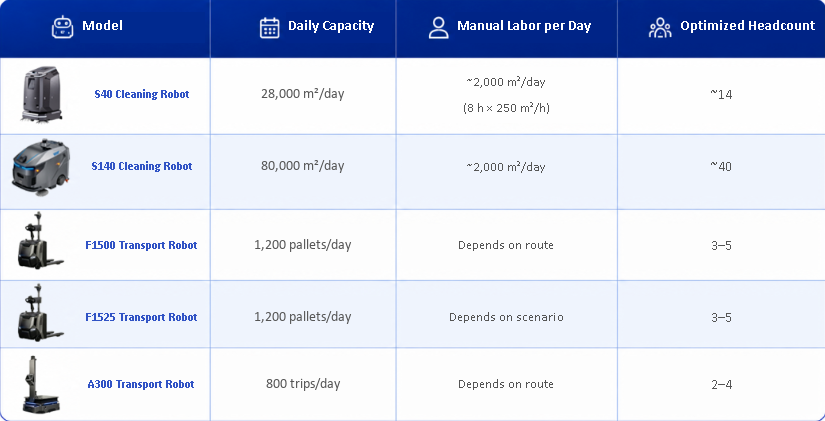
Proven results, backed by data
LEPU robots’ efficiency measurement baseline (per unit, based on 20 hours of work + 4 hours of charging per day):
V. The Dispatch Model, Full-Service Coverage
Traditional robot companies mostly operate a simple buy-and-deliver model. Once the equipment is delivered, the customer must deal with after-sales maintenance on their own; any functional upgrade or model iteration requires additional investment.
LEPU’s positioning is entirely different: we are not selling you a machine — we are dispatching a “robot employee” to you.
For customers, this means:
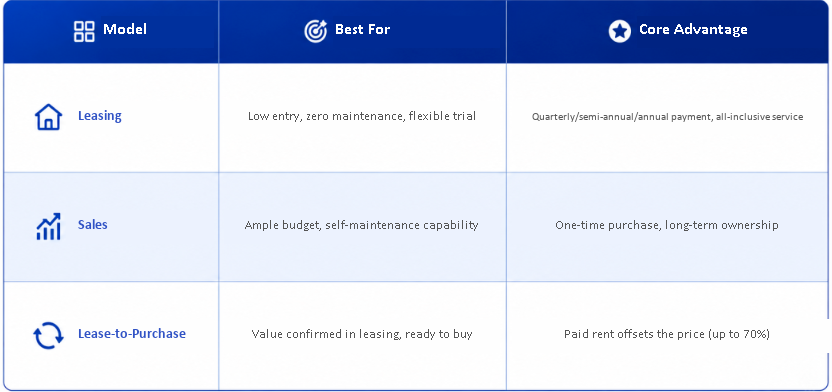
- Low entry barrier: no one-off spending of hundreds of thousands; rent is paid quarterly, semi-annually or annually, cutting cash-flow pressure by over 90%.
- Zero maintenance worries: if the equipment fails, it is LEPU’s responsibility — 24/7 technical response, with scheduled maintenance fully covered.
- Flexible upgrades: when technology iterates, LEPU handles equipment replacement and renewal — no repurchasing required.
- Quantifiable results: a 15-day rent-free on-site trial; billing starts only after effectiveness is confirmed — zero trial-and-error risk.
Three flexible models to choose from
VI. Human-Robot Collaboration, A Shared Future
LEPU’s core value proposition is clear and unwavering:
We deliver more than an intelligent device — we equip your enterprise with an intelligent work partner on duty around the clock.
Commercial robots take over procedural, repetitive basic work, freeing existing staff to focus on higher-order tasks: value judgment, coordination, and professional management. Through human-robot collaboration, complementary strengths create mutual success.
From in-house hardware deeply rooted in real-world deployment, to customized total solutions and full-lifecycle service models, every effort and innovation by LEPU Robotics serves one goal: making basic manufacturing operations more efficient, work environments safer, and staffing structures more robust and sustainable.
This is precisely LEPU’s core advantage — what makes us different.
—— END ——